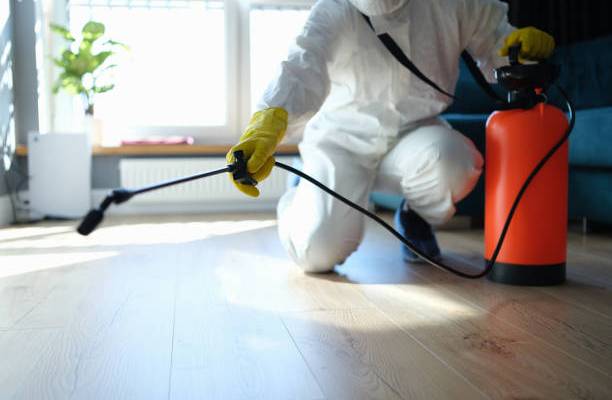

What are the basic rules of pest control? The answer is simple but powerful. The basic rules of pest control are to identify the problem, eliminate the cause, and take targeted action.
These three rules form the foundation of every effective pest control program, especially for large and complex commercial environments. When followed correctly, they prevent recurring infestations and reduce long term costs. When ignored, pests gain the advantage and begin to impact the safety, compliance, and reputation of your facility.
Below, we break down each rule, why it matters, and why Denver businesses rely on IPM Colorado to apply these principles professionally and consistently.
Rule 1: Identify the Problem
Every effective pest control strategy begins with identifying the pest and understanding how it is entering and surviving inside the building. Misidentifying a pest or guessing at the source leads to ineffective treatments and ongoing frustration.
Identifying the problem includes:
- Determining the exact pest species
- Locating entry points around the exterior
- Checking for nesting and harboring sites
- Identifying food, water, or moisture sources
- Assessing the severity and spread of the issue
- Understanding environmental conditions inside the building
For example, ants in an office break room may be following a food trail left behind by unsealed containers. Rodents in a warehouse may be entering through gaps around loading docks. Flies in a hospital kitchen may be breeding inside drains.
Commercial properties in Denver experience a wide range of pest pressures because of continuous deliveries, structural size, and shifts between cold winters and warm summers. Proper identification ensures the right plan is created from the start.
Why professional identification matters
Commercial buildings have hidden spaces, complex mechanical systems, and high traffic areas that make pest tracking difficult. IPM Colorado uses trained technicians and commercial grade inspection tools to identify the problem accurately on every visit. Correct identification is the only way to eliminate pests completely.
Rule 2: Eliminate the Cause
Once the pest and source are identified, the next rule is to eliminate what attracted them. This step is often overlooked but is absolutely essential for long term control. If conditions remain favorable for pests, they will keep returning no matter how many treatments are applied.
Eliminating the cause may include:
- Sealing cracks, gaps, and structural openings
- Improving sanitation practices
- Fixing leaks or moisture problems
- Properly storing food and waste
- Repairing damaged screens, doors, and vents
- Reducing clutter that provides pests with hiding areas
- Enhancing airflow or drying out damp zones
For commercial environments, this rule is especially important. Hospitals must control moisture and sanitation to prevent pests in sensitive areas. Warehouses must maintain sealed dock doors and organized inventory to reduce rodent activity. Restaurants must keep kitchens clean and address drains to prevent flies.
Why Denver businesses rely on IPM Colorado
Many commercial pest problems originate from conditions inside or around the building that facility staff may not notice. IPM Colorado provides detailed sanitation recommendations, structural corrections, and preventive improvements that address the root cause instead of treating symptoms.
Rule 3: Take Targeted Action
The final rule is to apply targeted action. This means selecting the right physical, chemical, or biological treatment based on the pest, the building type, and the severity of the infestation. It also means using treatments responsibly and strategically to achieve maximum effect with minimal disruption.
Targeted action may include:
- Physical exclusion barriers
- Trapping programs
- Gel, bait, or dust applications
- Commercial grade chemical treatments
- Biological solutions for drains or organic buildup
- Growth regulators for insect control
- Ongoing monitoring devices
Targeted action ensures pests are addressed quickly and efficiently. Unlike residential pest control, commercial properties require precise methods that protect staff, customers, medical equipment, food, and inventory.
Why professional targeted action matters
Improper or unfocused treatment wastes time and money. IPM Colorado uses data from inspections and monitoring to adjust treatments based on pest movement, seasonal changes, and building conditions. Targeted action is what turns a pest issue into a controlled environment.
Why These Rules Only Work Long Term With a Professional Partner
The three basic rules are simple, but applying them consistently in a commercial building is not. Facilities in Denver experience constant pest pressure because of activity levels, complex structures, and ever changing environments. A one time approach will never deliver lasting results.
You need IPM Colorado because we provide:
- Commercial specific inspections
- Proactive monitoring and documentation
- Targeted treatment programs
- Sanitation and structural improvement guidance
- Integrated Pest Management customized to your building
- Support for warehouses, hospitals, restaurants, and office buildings
Commercial pest control, commercial pest management, hospital pest control, and warehouse pest control all require long term strategies and expert oversight. This is what IPM Colorado delivers for businesses across Denver.
Read the FAQ and Watch the Video
- FAQ: What are the basic rules of pest control
- Video Embed:
Final Thoughts
The basic rules of pest control are straightforward. Identify the problem, eliminate the cause, and take targeted action. For commercial facilities in Denver, these rules are the key to maintaining safety, compliance, and long term protection. With IPM Colorado, you get a professional partner who applies these rules with precision and consistency.
 Protecting your brand reputation with premium pest eliminating service