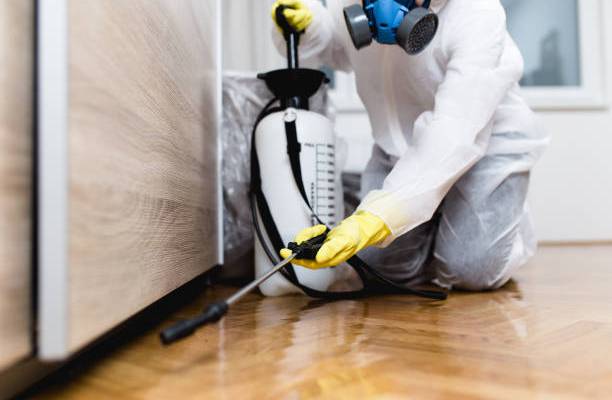

What is the difference between pest control and extermination? The difference comes down to short term removal versus long term prevention.
Extermination focuses on killing visible pests as quickly as possible. Pest control takes a broader, more strategic approach by eliminating active infestations while also addressing the conditions that allow pests to survive and return. For commercial properties in Denver, this distinction matters because recurring pest issues can lead to compliance violations, operational disruptions, and reputational damage.
Below, we explain how extermination and pest control differ, why extermination alone falls short for commercial environments, and why Denver businesses rely on IPM Colorado for long term protection.
What Extermination Really Means
Extermination is a reactive service. It focuses on killing pests that are currently visible or actively causing a problem. This method often relies heavily on chemical treatments designed to deliver fast results.
What extermination typically includes
- Broad chemical applications
- Immediate knockdown of insects or rodents
- Minimal inspection or monitoring
- Little focus on entry points or sanitation
- Short term results
Extermination can be effective for eliminating a sudden surge of pests, but it does not address why the pests appeared in the first place. Once the treatment wears off, pests often return through the same entry points or are attracted back by the same conditions.
For a home, this might be inconvenient. For a commercial building, it can be costly.
Why Extermination Is Not Enough for Denver Commercial Properties
Commercial buildings face constant pest pressure due to foot traffic, deliveries, storage, waste handling, and building size. Denver warehouses receive daily shipments. Hospitals operate around the clock. Restaurants generate food waste continuously. Office buildings experience steady movement of people and supplies.
Because of this, extermination alone creates a cycle of repeat infestations. Pests are removed temporarily, then return when conditions remain favorable.
Risks of relying only on extermination
- Repeat infestations
- Increased chemical use over time
- Higher long term costs
- Failed health inspections
- Inventory contamination
- Customer complaints
- Employee health concerns
For facilities that must meet health and safety standards, extermination is a short sighted solution.
What Pest Control Does Differently
Pest control focuses on long term management rather than short term elimination. It combines inspection, prevention, targeted treatment, and monitoring to keep pest populations under control year round.
What professional pest control includes
- Detailed inspections to identify pest species and sources
- Identification of entry points and structural vulnerabilities
- Sanitation and moisture recommendations
- Targeted treatments instead of broad spraying
- Ongoing monitoring and documentation
- Seasonal adjustments to prevent spikes in activity
This approach is known as Integrated Pest Management. It is the standard for commercial pest management, hospital pest control, and warehouse pest control in Denver.
Why Prevention Matters More Than Elimination
The biggest difference between pest control and extermination is prevention. Pest control eliminates current activity while actively preventing future infestations.
For example:
- Rodents are excluded by sealing gaps and improving dock door seals
- Flies are controlled by treating drains and improving sanitation
- Cockroaches are eliminated by addressing food sources and harborage areas
- Ants are controlled by removing moisture and entry points
When the cause is removed, pests lose the ability to return.
Why Denver Businesses Need IPM Colorado
Not all pest control companies provide true Integrated Pest Management. Many still operate with an extermination mindset. IPM Colorado is different because we specialize in commercial environments and focus on prevention first.
Denver businesses need IPM Colorado because we provide:
- Commercial pest control built for complex facilities
- Ongoing monitoring and detailed reporting
- Targeted treatments that protect people, products, and equipment
- Sanitation and exclusion recommendations
- Compliance support for inspections and audits
- Programs designed for warehouses, hospitals, hospitality, retail, and offices
Our technicians understand Denver pest behavior, seasonal pressures, and commercial building vulnerabilities. We do not just eliminate pests. We stop them from coming back.
Extermination vs Pest Control in Sensitive Environments
Some facilities cannot afford the risks associated with extermination only services.
Hospital pest control
Hospitals require controlled, targeted treatments that protect patients, staff, and medical equipment. Prevention and monitoring are essential.
Warehouse pest control
Warehouses need exclusion, monitoring, and sanitation support to protect inventory and shipping operations.
Food service and hospitality
Restaurants and hotels require ongoing prevention to pass inspections and protect their reputation.
In each of these environments, pest control outperforms extermination every time.
Read the FAQ and Watch the Video
- FAQ: What is the difference between pest control and extermination
- Video Embed:
Final Thoughts
The difference between pest control and extermination is the difference between short term relief and long term protection. Extermination removes pests temporarily. Pest control prevents them from returning.
For Denver commercial properties, prevention is the only sustainable solution. If your facility needs reliable commercial pest management that protects your operations year round, IPM Colorado is the partner you need.
Call IPM Colorado to get started.
 Protecting your brand reputation with premium pest eliminating service