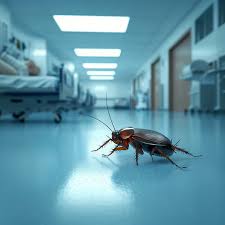

How do hospitals keep bugs away? The answer lies in strict prevention, ongoing monitoring, and professional hospital pest control programs designed specifically for medical environments.
Unlike homes or standard commercial buildings, hospitals face constant pest pressure. Patients, visitors, deliveries, food services, laundry operations, and waste removal all create opportunities for pests to enter. In Denver, seasonal changes add another layer of risk as insects and rodents seek shelter indoors. This is why hospitals rely on proactive strategies rather than reactive extermination.
Below, we explain how hospitals keep bugs away and why partnering with IPM Colorado is critical for maintaining compliance and patient safety.
Strict Prevention Starts With Structural Integrity
The first step hospitals take to keep bugs away is denying pests access to the building. Even small gaps can become major entry points for insects and rodents.
Common hospital exclusion measures
- Sealing cracks and crevices in walls and foundations
- Installing door sweeps on exterior and interior doors
- Maintaining weather stripping around windows and entrances
- Using fine mesh screens on vents and drains
- Securing utility penetrations for plumbing and electrical systems
Hospitals in Denver are large, complex structures with many access points. Without professional inspection, these vulnerabilities often go unnoticed. IPM Colorado identifies and addresses entry points that facility teams may miss, reducing the risk of infestations before they begin.
Sanitation and Waste Control Are Non Negotiable
Cleanliness is one of the most important factors in keeping hospitals pest free. Pests are drawn to food, moisture, and shelter, all of which can exist even in well maintained medical facilities.
Key sanitation practices in hospitals
- Regular cleaning of patient rooms and treatment areas
- Proper storage of food and medical supplies
- Timely waste removal and secure dumpster management
- Drain maintenance to prevent fly breeding
- Moisture control in kitchens, laundry rooms, and mechanical spaces
Even small sanitation lapses can attract pests. For example, flies may breed in drains, or rodents may be drawn to improperly secured waste areas. IPM Colorado works with hospital staff to identify sanitation risks and recommend practical improvements that support long term pest prevention.
Ongoing Monitoring and Inspections
Hospitals do not wait for pests to appear before taking action. Continuous monitoring is a critical part of hospital pest control.
What monitoring includes
- Routine inspections of high risk areas
- Monitoring devices placed discreetly throughout the facility
- Tracking pest activity trends over time
- Adjusting strategies based on seasonal risks
- Documentation for compliance and audits
In Denver hospitals, monitoring helps catch early signs of pest activity before it escalates. Early detection reduces treatment needs, minimizes disruption, and protects sensitive environments such as operating rooms and patient care areas.
Targeted Treatments Designed for Medical Settings
When pests are detected, hospitals use targeted treatments rather than broad applications. This ensures patient safety while still addressing pest activity effectively.
Hospital safe pest control methods
- Precise treatments applied only where needed
- Products selected for medical environments
- Treatments scheduled to minimize disruption
- Focus on physical and biological controls when possible
IPM Colorado understands that hospital pest control requires precision and discretion. Our team designs treatment plans that align with healthcare protocols and safety standards while delivering reliable results.
Why Hospitals Need a Professional Pest Control Partner
Hospital pest control is not a one time service. It requires expertise, documentation, and ongoing oversight. Residential or general commercial pest control providers are not equipped to meet these demands.
Hospitals in Denver need IPM Colorado because we provide:
- Specialized hospital pest control programs
- Integrated Pest Management focused on prevention
- Detailed inspections and monitoring
- Compliance ready documentation
- Targeted treatments for sensitive environments
- Proactive strategies that reduce risk and liability
Our team understands healthcare regulations and the importance of maintaining pest free environments without compromising patient care.
The Role of Integrated Pest Management in Hospitals
Integrated Pest Management is the standard for hospital pest control because it combines multiple strategies to deliver long term results.
IPM in hospitals focuses on
- Prevention first
- Continuous monitoring
- Minimal chemical use
- Collaboration with facility staff
- Long term risk reduction
This approach keeps pests under control while supporting patient safety and regulatory compliance.
Final Thoughts
How do hospitals keep bugs away? They focus on prevention, sanitation, monitoring, and professional pest control. In Denver, hospitals rely on experienced partners to manage these efforts consistently and effectively.
IPM Colorado provides hospital pest control programs designed to protect patients, staff, and facilities year round.
Read the FAQ and Watch the Video
- FAQ: How do hospitals keep bugs away
- Video Embed:
 Protecting your brand reputation with premium pest eliminating service